 Back to TV Shows
42: The Answer to Almost Everything
Overview
What would we be without mucus? Can we live on water? How much does life weigh? Finding out the answers is the aim of ARTE's new science show. In a nod to Douglas Adams's "Hitchhiker's Guide to the Galaxy", where the figure 42 is the ultimate answer to all questions, 42 tries to provide the answers.
Status
Returning Series
Network
ARTE
Seasons & Episodes

Season 1
Episodes
Can we dig our way through the Earth?
This report explores the challenges and insights gained from deep drilling into the Earth. Researchers from Germany, France, and Italy emphasize the technical complexity and costs of these undertakings. The drill cores, made of rock or ice, serve as archives of Earth's history and enable the study of phenomena such as climate change.
Could We Live on the Moon?
A new lunar cycle begins with 95 planned missions over the next ten years, including contributions from smaller nations. Scientists want to know how humans can carve out a life on the moon. Could humans live there permanently? And who does the moon belong to? Salem Al Marri of the United Arab Emirates Space Agency explains the motivations and goals of this intensified lunar exploration.

Should we use lotteries instead of elections?
The ancient Greeks practiced sortition as a cost-effective method to prevent corruption and abuse of power and to establish political equality. Although this idea resurfaced in the 19th century, modern societies have opted for elections as the means of selecting representatives.
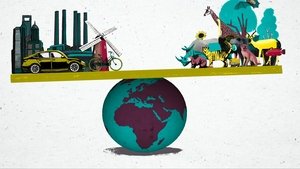
How Much Does Life Weigh?
A research team led by Israeli biologist Ron Milo has attempted to calculate the total mass of all living things on Earth by combining data from various fields of research. The challenges range from accurately estimating the fish population in the ocean to discovering previously unknown species on land.

Will we move onto the water?
Climate change could cause sea levels to rise by up to 20 millimeters per year by the end of the century, threatening island nations and major cities. Urban planner Heiner Haaß and architect Bjarke Ingels propose building on the water, with concepts like Oceanix City or floating structures in the Maldives.
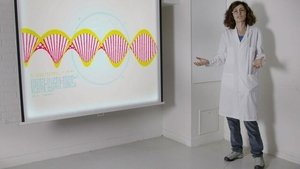
Can Algorithms Make Us Healthy?
Bodily data, from genes to the microbiome, could indicate diseases early if analyzed precisely. Computers and algorithms are needed to recognize patterns. In the US, skin cancer has been detected early using algorithms. The vision is a medical avatar that monitors our bodily data and warns us of health problems.

What if there were no mucus?
Mucus, a versatile substance in nature, fulfills various functions: It can glide, stick, select, and even serve as a protective or defensive weapon. The unique state of matter of mucus enables its diverse applications. Microbiologist Hans-Curt Flemming emphasizes the central role of mucus in the evolution of microorganisms.
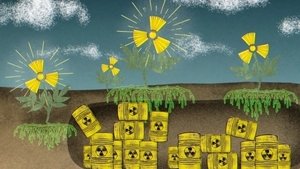
How do we solve the nuclear waste puzzle?
Long considered clean and inexpensive, nuclear energy raises a major problem: ultimate radioactive waste. This waste must be buried underground for at least a million years—an eternity! How can we warn our descendants of the risk it represents? What pictograms could alert them to the toxic gift we are leaving them?

What if Fear Didn't Exist?
Life would be fantastic if we were never scared. We could cross deep ravines on tightropes, ski down the steepest mountainsides and feel fine. Unfortunately, fear runs deep inside us.
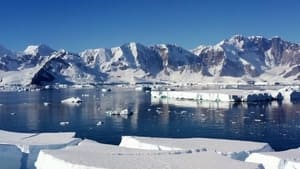
What if the ice disappeared?
With global warming, the melting of the ice is accelerating. The Arctic is warming two to three times faster than the rest of the world. Having remained stable until recently, the Antarctic sea ice is now melting dramatically. What will be the consequences of this phenomenon for the environment and for human beings?
Do We All hear the Same Thing?
From birth we are surrounded by sounds which, often without our knowledge, influence our view of the world. But are our reactions to these sounds the same?

Are we too pessimistic?
Although we are mostly optimistic about our own lives, we tend to be rather pessimistic when we consider the future of the world and the future of our society. How can we explain this apparent contradiction?

Does the Perfect Song Exist?
What's the recipe for making a song a global hit? Musicologists, brain scientists and professionals in the music industry are actively researching the 'magic formula' for the mega hit.
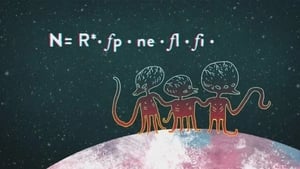
Are we alone in space?
The universe is vast. So vast that it defies the imagination. To the point that we find it strange that we "Earthlings" are the only living beings to inhabit it. What, then, is the probability that extraterrestrials exist? What might they look like? Finally, wouldn't their existence force us to rethink our place in the cosmos?

Why Do We Eat What We Eat?
Tea of coffee? Fish or meat? Every day human beings make around 200 decisions about what to eat. But what drivess these choices? Why do we eat what we eat?
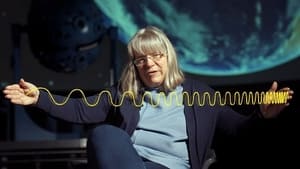
What is the secret of light?
Light, as both a wave and a particle, travels at a constant speed. A beam of light originating in the sun's interior reaches Earth after eight minutes and drives the life cycle through photosynthesis.
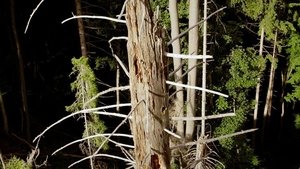
Can we save the trees?
Drought and insects threaten forests. What can be done to save them? In northern France, researchers are trying to introduce plants native to the south. Across the Rhine, the Thünen Institute cultivates oak trees that are particularly resistant to insects, drought, and fungi.
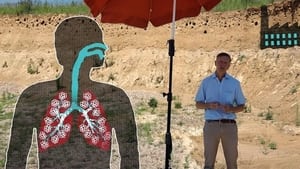
What if dust didn't exist?
Nobody likes dust. Attempts to get rid of it are futile; it always comes back. And that's a good thing! Because without dust and its superpowers, life on Earth would hardly be possible. Dust contributes to the formation of rain, it provides nutrients to the sea and the jungle, and it's our personal calling card. Come to think of it, dust might even be able to save the world.
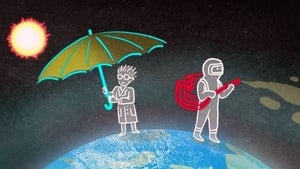
Geoengineering: Earth's Last Resort
To tackle climate change, one option is to artificially cool the Earth or capture CO2. The field of geoengineering is full of seemingly outlandish ways of manipulating the planet's climate.
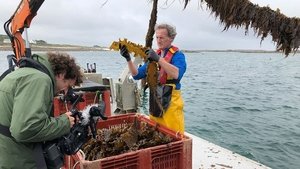
Could Algae Save the Planet?
The fact that we have a breathable atmosphere on Earth is largely down to algae. Could these aquatic plants be the secret of solving climate change and saving ourselves and the planet?

Will Messenger RNA Save Us From Cancer?
The sharpest weapon of the pandemic has given us a vaccination technique that almost no one knew about before the coronavirus—messenger RNA. It has been studied for over 20 years. The grand goal of mRNA pioneers: a cancer vaccine. After the success of coronavirus vaccines, will we also defeat this old sworn enemy of humanity? A small community of researchers from around the world has always believed in the revolutionary potential of mRNA vaccination. The rest of the scientific world considered the biomolecule a mere unstable diva until recently. "No one read our papers, and we didn't receive any research funding either," says Steve Pascolo, who likes to compare mRNA to the transcription of a recipe from the great cookbook of DNA. A transcription that can be delivered to the kitchens of cells, which then do everything indicated in the recipe. The human body becomes a pharmacy.
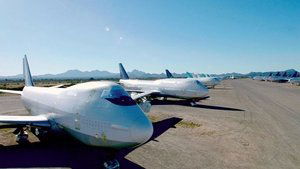
Will We Stop Flying?
Giving up flying overnight would cause global logistical problems, as many delivery chains would be interrupted. But planes are climate killers. So what should be done?
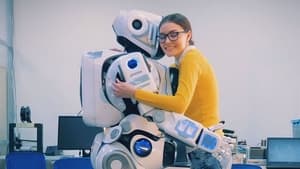
Will We Like Robots?
It is estimated that there are now more than 1.7 million robots with social capabilities in the world. They feed us, educate us, help us, and entertain us. Highly technical sex robots have existed for a long time. But can these machines actually develop feelings—or even experience love? "We have developed digital artificial hormones for our robot. And we are using artificial intelligence to simulate the changes in hormonal balance in a person who falls in love," explains Hooman Samani, a robotics developer at the University of Plymouth. Conversely, we are also moving closer to a human-machine relationship: For cognitive psychologist Martin Fischer of the University of Potsdam, certain psychological effects indicate that our attitude toward robots will become increasingly positive in the future.
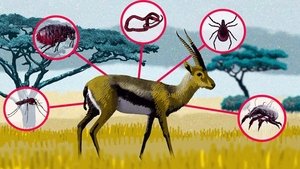
The Purpose of Parasites
Parasites get a bad rap: they can make us sick or even kill us. For centuries, we have been trying to protect ourselves against them, in particular through hygiene measures. Yet half of the living beings on Earth are parasites. If they are really everywhere, maybe they are not fundamentally useless?

Could We Sleep Less?
We spend a third of our lives sleeping. Is it possible for us to sleep less and enjoy extra waking years for leisure and work? Can we optimise our sleep patterns to get more out of life?
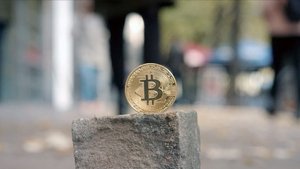
Are Cryptocurrencies the Future?
In September 2021, El Salvador became the first country in the world to introduce Bitcoin as legal tender. From now on, all companies accept the cryptocurrency from their customers, as well as the US dollar. "A crazy idea," says former economist Peter Bofinger. The price of bitcoin is far too volatile, and it's a dangerous bet - one that the president thinks he can pull off.
Do We Live in a Black Hole?
Black holes can tell us a lot about the universe. But could they hold the key to understanding our world? Astrophysicist Nikodem Poplawski proposes that our universe may not have been born after a Big Bang after all. Perhaps our whole world is inside a black hole…
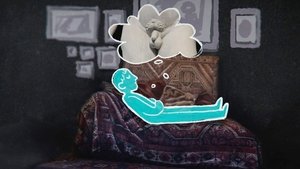
The Power of Dreams
Humans spend up to six years dreaming over the course of their lifetime. What if dreams were more than unreal visions? Could we take the brilliant ideas that appear in dreams and make them a reality? Dreams hold a largely untapped creative potential.
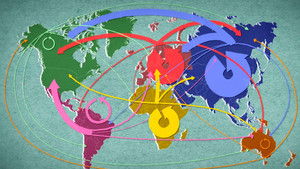
Where do people migrate to?
Researchers are searching for patterns and models to predict migration. Factors such as technological developments, demographic changes, economic crises, and climate change influence migration.

What Do Animals Talk About?
The mystery of animal communication stands in contrast to human language: Elephants use infrasound, cats vocalize, and whales communicate through flipper movements. The question is, what would change if these sounds could be translated? Humans have the ability to understand each other using dictionaries or translation apps.
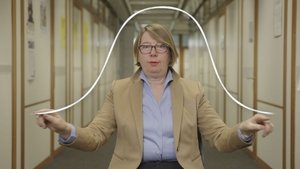
Are we getting dumber?
The Flynn effect showed an increase in intelligence scores since the 20th century. However, since the turn of the millennium, some IQ scores have been declining, and researchers are searching for explanations. Theories include "dysgenics," in which families with academic backgrounds tend to have fewer children, as well as the influence of migrants from disadvantaged backgrounds.

Do Computers Have Biases?
Let's not kid ourselves: everyone has biases. Whether it's filling a position, granting credit, or handing down a prison sentence, how can we be sure we're making rational decisions? Wouldn't it be wiser to rely on artificial intelligence, a technology already deployed in many cases with surprising results?
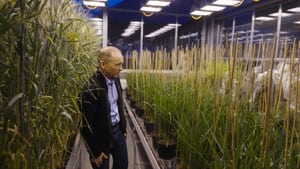
How can everyone be fed?
Modern, highly efficient agriculture feeds many people, but it is reaching its ecological limits with declining soil fertility and biodiversity, as well as increasing environmental pollution from chemicals. The challenges of climate change are exacerbating these problems.
Are We Doing More Drugs?
Drugs have a bad press. But scientists have long been convinced that the use of psychedelics can sometimes be beneficial. The use of ecstasy, LSD and other hallucinogens could soon be authorised for therapeutic purposes. Should we change our relationship to certain drugs?
Are We Ready for Mars?
As soon as weightlessness sets in in Earth orbit, everything floats, including bodily fluids. Most astronauts suffer from space sickness – similar to seasickness. You get sick, your eyes go crazy, your face swells up, your legs get longer and after a few sleepless nights (there is no day or night in space) many astronauts get severe back pain. Space researchers are trying to understand how the human body reacts without gravity. Could we need it to live?

Can we glimpse the afterlife?
Brain researcher Gerhard Roth describes near-death experiences as frequent encounters with bright light and feelings of bliss. Scientists explain this through neurological processes and emphasize that those affected are often only clinically dead.
Could we become immortal?
Humanity has dreamed of a Fountain of Youth since the dawn of time. A dream that may have become reality. Laboratories around the world announce they have rejuvenated animal species as diverse as mice, nematodes, and fruit flies. Anti-aging research has achieved the impossible: these animals live longer and healthier lives. Next step, human beings?
Could We Live Without Agriculture?
Both a blessing and a curse, farming feeds us humans but is also harmful to the environment. Agriculture has radically transformed the land and our ways of life. But could foodstuffs created with biotechnology spell the end of traditional farming?
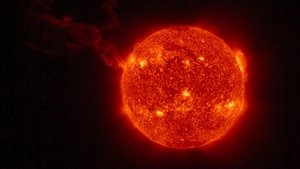
How dangerous is space weather?
We like to talk about the weather because it affects us every day. But have you ever heard of space weather? Not just for astronauts, it also our affects lives on Earth. Scientists are particularly interested in solar activity as it can quickly disrupt our life on Earth.
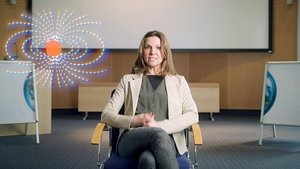
Will we travel to Mars?
According to Elon Musk, we could soon be living on Mars. Yet, this idea seems unrealistic: extreme cold, an atmosphere composed primarily of CO2, and dangerous cosmic rays... So why on earth would anyone want to settle there? Where does this enthusiasm for the Red Planet come from?

Can We Create Money from Nothing?
Imagine a friend wants to borrow your car, you promise to provide one even though you only have a windscreen wiper. Absurd isn’t it? But this is exactly what banks do when they lend you money…

How do we end wars?
With over 13,000 nuclear weapons in the world, there is a risk of massive destruction. The program "42 – The Answer to Almost Everything" examines this topic scientifically.
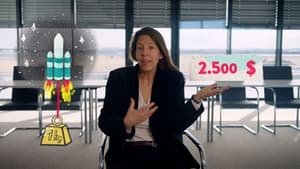
Is Space Being Stolen From Us?
Getting into space has never been easier and the resources of our solar system are highly coveted. But with the legal framework of space exploration and the exploitation of its resources still unclear, is space being stolen from us?
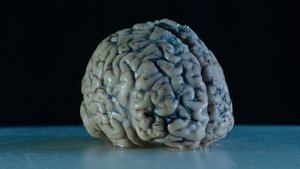
What Power Do Thoughts Have?
It has been known since antiquity that thoughts have an influence on health. Research, such as imaging techniques that demonstrate the placebo effect, makes the power of thought visible. Psychologist Ellen Langer shows in experiments how thoughts can influence the body. However, controlling thoughts is difficult because most of them are unconscious.

Can We Trust Ourselves?
We cannot escape our fate and we cannot escape ourselves. But we also have our limits: confused thinking, misleading intuitions, unrealiable memories... What consequences do these potential errors have on our relationship to the world and to ourselves? Just how far can we trust ourselves?
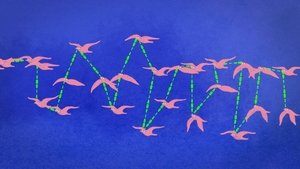
Are we more intelligent in swarms?
Swarms are fascinating phenomena without clear leadership. In beehives, anthills, in the sky, or in the sea, they operate successfully and aesthetically. Human crowds, on the other hand, can become chaotic in lynch mobs or traffic jams. Researchers are investigating the rules behind swarm intelligence in order to learn from them and perhaps apply them to robot swarms.

The Search for a Universal Theory
Formulating the theory of everything, the one that would describe all the laws of the Universe from a single fundamental law, would be the pinnacle achievement of physics. We could finally understand everything and solve the mysteries that still escape us. Heisenberg, Einstein, Hawking… All the great scientists have tried. All have failed. So can we still hope to find the theory of everything one day?
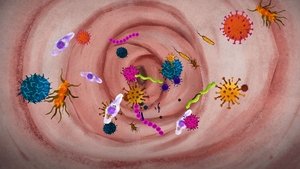
Can we turn crap into gold?
Humanity has been hoping for a sensational discovery. Ever since we succeeded in converting wind and sun into energy, we've been waiting for the next big thing. A treasure just waiting to be discovered. The idea that we might find this in our feces seems far-fetched at first. We overlook its true potential. Research on our bodies is essential for modern medicine. Through it, immunologists and nutritionists receive messages from the mysterious core of our bodies. Doctors like gastroenterologist Harry Sokol in Paris go even further and utilize the healing capabilities of our stool. But our feces offer us other access points to ourselves. Based on ancient fecal discoveries from the past, we can travel back in time to our evolutionary history.
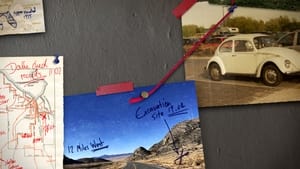
Are You Psychopathic?
Psychopaths like Ted Bundy are not isolated cases; approximately 1-2% of the population are considered psychopathic. Psychologist Abigail Marsh researches why some adolescents with conspicuous behavior become psychopaths while others do not. Despite the complex causes, the psychopathy checklist can help identify them.
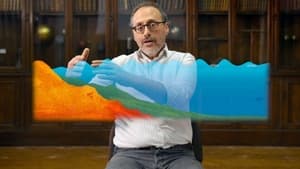
How does a wave become rogue?
Every seven days, a large ship goes missing. This is due, among other things, to monstrous waves that appear out of nowhere. Unlike tsunamis, there is currently no method for warning or predicting them. This is because science still knows surprisingly little about the phenomenon of "freak waves." Rogue waves were long considered sailors' tales until a 26-meter-high wave was recorded on the Draupner platform in the North Sea in 1995. This changed research and led to three theories about their formation: the current model, superposition, and nonlinear modulation instability.

Do We Need Economic Growth?
All living beings stop growing at some point. The global economy is different: it just keeps growing. Is a world without economic growth possible and what might that mean for the future?
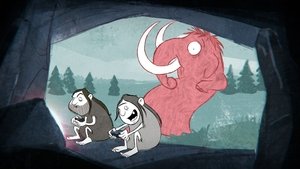
Are we gambling away our lives?
Humans don't just play for fun, but also for evolutionary reasons. Playing helped hunter-gatherers develop important skills and understand their environment. With the rise of advanced civilizations, board games like chess and Monopoly emerged.

Why do we have limits?
Usain Bolt ran 100 meters in 9.58 seconds, Petra Felke threw the javelin 80 meters. These are absolute limits that no one has been able to "break" to this day. Or rather: no human being. Because in the animal kingdom, there are creatures like the flea or the cat that are far superior to us. Why is that – and couldn't we learn from these animal specialists?
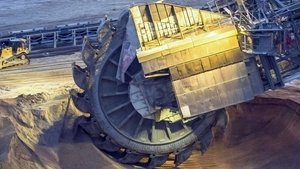
Where to Find Perfect Energy?
Energy from fossil fuels such as coal, oil, and gas made modern life possible in the first place; however, at the same time, it harms the climate and the environment. Can we find an energy source that provides just as much power and is always clean and available everywhere—a kind of perfect energy? In terms of energy density, nuclear power was considered the perfect energy source after its discovery. According to nuclear physicist Emmanuelle Galichet, just a few grams of uranium in nuclear fission are enough to generate as much energy as burning several tons of oil. However, as great as the benefits of nuclear power are, the risks are also significant, especially when it comes to storing highly radioactive nuclear waste. Isn't solar power the better choice?
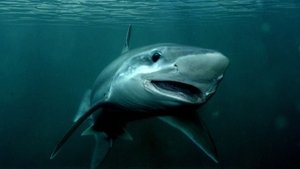
What if sharks disappeared?
As fascinating as they are frightening, sharks are now threatened. Of the 536 species known today, a third are endangered, mainly due to overfishing and environmental destruction. Can we still save sharks, or are they doomed to disappear?
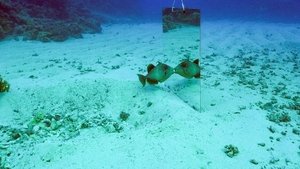
Are Animals Self-Aware?
For a long time, humanity was relatively unanimous: animals are little more than biological machines. This view has gradually changed, particularly with the pioneering work of the naturalist Charles Darwin: Darwin believed that consciousness is a fundamental property of life in general. In his view, even simple creatures have a rudimentary internal workings of feelings and impressions that are not so different from those of humans. But how can we know what animals really think and feel? You can't ask them, and you can't look inside their heads either. For a long time, researchers tried to solve the problem with the so-called mirror test: if a living being recognizes itself in a mirror, it must have self-confidence. Chimpanzees and dolphins pass the mirror test, but dogs do not. Does this mean that dogs are not self-aware?

Why do We Fall in Love?
When we're really in love, all hell breaks loose. The heart races, palms sweat, the mouth goes dry and the brain switches to "happily insane" mode. Some cultures are convinced that that's not a solid foundation to build a marriage and family on, opting for arranged partnerships instead. But romantic love evolved for a reason. If we loved each other in small groups, then males would know who they were related to, and would fight for them and their children.
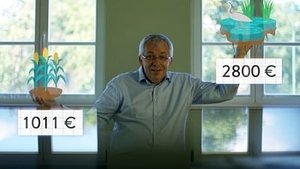
What if nature had a price?
"Be careful! It's precious!" – we've probably all heard such warnings as children, for example, when we wanted to examine our father's camera or an old vase. That's how we learned to be careful with valuable objects. Curiously, nature is different. Even though it's the most precious thing we have, we humans don't treat it well. Not only do we use it, but we abuse it. Would it be different if nature and its services received some kind of price? If all of nature's free services were also made economically visible? For example, it provides us with food and drink, all kinds of important materials, cools us in the heat, purifies our drinking water and the air we breathe. In short: nature guarantees our survival.

Can we copy our blood?
The search for artificial blood that could solve several problems, such as anemia, the risk of disease transmission, and the scarcity of different blood types, began in the 1960s with the belief in perfluorocarbons as a potential solution. However, the challenge of replacing all the functions of blood cells simultaneously proved practically impossible.

Why do we hate?
Dealing deeply with hate is no fun. But as with all unpleasant things, it helps to confront the issue rather than avoid it. In today's society, hate is hard to miss: hate messages against politicians, hatred of the social system, of the COVID-19 measures. Hate seems to be everywhere.
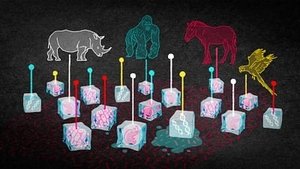
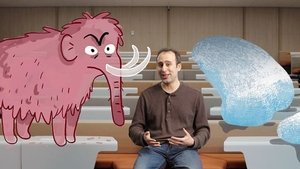
Could We Bring Back the Wooly Mammoth?
Researchers want to use cloning and gene editing to bring back lost species. If humanity played God by killing them off, some say we should also play God and put things right again. US Scientists claim that in just a few short years, they could bring back mammoths, which died out 4,000 years ago.

Can seals go to court?
Andreas Weber, biologist and philosopher, argues for granting animals and plants the right to defend themselves in courts, based on their capacity for sentential treatment. Legal scholar Saskia Stucki sees the possibility of a change in the law. Ecuador was the first country to grant nature its own rights in its constitution.

Do colors manipulate us?
We already see in everyday life how much colors control us: we're often warmer in a red down jacket than in the same down jacket in blue, reports fashion designer Jean-Gabriel Causse, a specialist in the effects of color. The fact that the color of a garment alone can improve our concentration, creativity, or even our health is another indication of the power of color. Colors control our attention, they affect our senses, and thus shape—consciously or unconsciously—our perception of the world. For neurobiologist Annette Werner, it's clear: colors play a crucial role in the development of life. Thanks to the green pigment chlorophyll, bacteria and plants were able to capture sunlight and convert it into energy and oxygen—the source upon which all life depends. In general, nature has used dyes as a means of communication for millions of years.
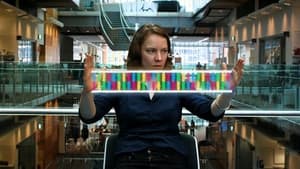
Will there be a new 'human species'?
Modern civilization does not mean the end of evolutionary adaptation. Researchers like Frank Rühli observe ongoing changes, such as lactose tolerance. The question of whether a new human species could emerge is complex. Natural selection would take millions of years, but technologies like the CRISPR/Cas9 gene-editing tool could accelerate the process.
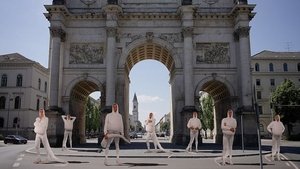
Is There a Male Fertility Crisis?
A man has enough sperm. Or so you might think - up to 600 million per ejaculation. And yet there is cause for concern: several studies have shown a significant decline in sperm count, especially in Western countries, in the last 50 years. Are we heading towards a sperm crisis?
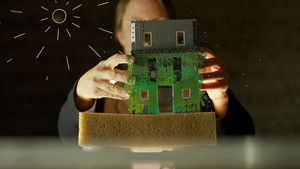
Can Cities Save the World?
Yes, urban life can make a crucial contribution to saving the planet, according to sustainability researcher Xuemei Bai. Compared to the suburbs, CO2 emissions are lower in cities and rural areas.
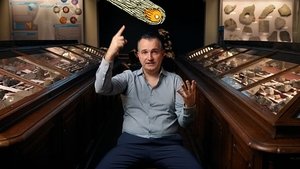
When the Heavens Rain Down
The fear that the sky could one day fall on our heads dates back to the dawn of time. The impact of an asteroid or a comet could dramatically change life on Earth in a fraction of a second. The dinosaurs were wiped out by one, and we might well one day share their fate.
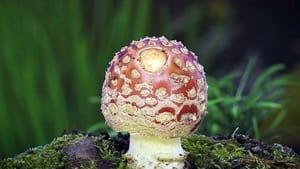
Do Fungi Rule Us?
What do we know about fungi? They are neither animals nor plants. Some are poisonous, many are delicious. But that was the main point. Fungi have barely been studied. They are among the oldest and most diverse life forms on our planet. Who knew that in primitive times, plants could only develop with the help of fungi? To this day, 90% of all plants depend on the close community of fungi. Fungi are everywhere. In the soil, in the air, in our bodies. They form immense networks. Researchers have nicknamed it the "Wood Wide Web." The fungal mycelium that grows underground is made up of what are called hyphae. They are five times thinner than a human hair and have very sensitive abilities to perceive their environment.
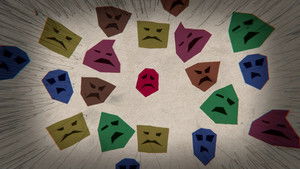
The A***hole Effect
Pushing to the front of a line, parking a car quickly on a bicycle lane, occupying seats on a train that do not belong to you - almost everyone is confronted with selfish behavior at some point in their lives. While minor instances of selfishness can be easily forgotten, when it becomes extreme and individuals become egomaniacs, they can cause significant harm to those around them. The extent of these selfish tendencies depends partly on genetics, partly on upbringing, and ultimately on the situation, according to psychologist Anne Böckler-Raettig from the University of Würzburg. Psychologist Morten Moshagen highlights that a certain degree of egoism is even necessary for our mental well-being, and together with colleagues, he has developed the "Dark Factor Test" to measure the degree to which we operate within a healthy, egoistic framework, versus when our behavior turns into something harmful and evil.
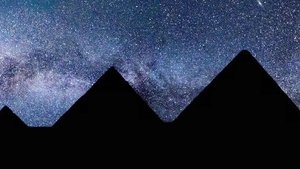
How It All Ends
The universe could be heading towards different scenarios, including the "Big Freeze" as it expands, cools, and disintegrates. Other possibilities include a collapsing universe (Big Crunch) or an accelerating expansion that eventually tears the universe apart (Big Rip). While many scenarios will take an unimaginably long time to occur, a sudden end cannot be ruled out.
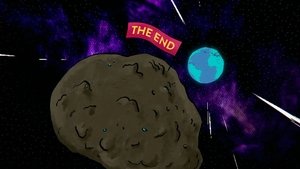
When Will the World End?
From Armageddon to Extinction Rebellion, the end-of-the-world narrative is a socio-cultural phenomenon. The apocalypse has been predicted nearly 200 times in the last two millennia, roughly equivalent to an end of the world every ten years...
How to Travel Through Time?
Is time travel just science fiction? Not quite: scientists from the fields of quantum physics, string theory, and astrophysics clearly demonstrate that time travel is theoretically possible—at least if it involves going into the future.

Mind Reading: A Reality?
We can't see inside other people's minds, but we sometimes believe we can read their thoughts. When we talk to someone, our brain is working overtime, gathering countless pieces of information. But should we really trust it? And what might the consequences be if we're wrong?

Surviving Our Polluted Planet
Chemistry makes our sweaters softer, our world more colourful and pleasant, and it can even save lives. The flip side: we have released so many toxic chemicals that we have severely damaged our ecosystem. And these substances are increasing. Where are the limits of our Earth's capacity, and how do we get a handle on the poison?
The Chaos of Chance
Chance, destiny, predestination, God. People have come up with many explanations for events that either seem completely unbelievable or highly improbable. Albert Einstein said, God "does not play dice." Like many scientists since Newton, he was convinced that the world could, in theory, be calculated down to the smallest detail. In his view, there was no such thing as chance. Everything was merely an endless chain of cause and effect. So, if one had enough data, one could also predict the future. "Einstein was wrong," says quantum physicist and artist Libby Heaney. Because the tiniest particles in the world behave completely randomly. Have we just not yet deciphered their laws, or is our world fundamentally governed by chance?
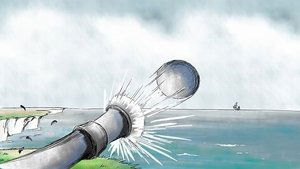
Who Owns the Sea?
The vast sea - a symbol of boundlessness. But is it really so? Who does the sea actually belong to? In the past, it was simple: as far as the cannons could shoot, that much sea belonged to the land. Nowadays, the distribution is more complicated, also because we use the sea in diverse and intensive ways. But can the sea and its treasures be distributed fairly at all?
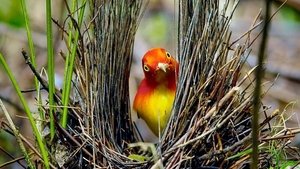
Do Animals Appreciate Beauty?
The beauty of the peacock troubled Darwin for a long time. It didn't quite fit into his theory of evolution and the idea of "survival of the fittest." Darwin came to the conviction that animals must also possess a sense of beauty. Especially the females, who select the "beautiful" males. Modern-day ornithologist Richard O. Prum is convinced that "the complexity of aesthetic and sexual pleasure" in the animal kingdom is far more developed than we give it credit for.
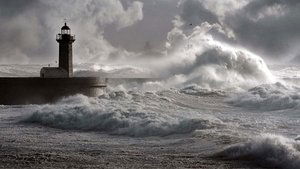
Will a new wind soon blow?
Many researchers believe that we won't experience more and more wind in the world, but rather less and less. Indeed, if the ice melts at the poles and they warm up, the temperature difference between the equator and the poles will also decrease. Now, this temperature difference is the "engine" that drives our winds: warm, humid air rises at the equator and flows towards the poles, where it cools and descends. If this temperature difference decreases, there should therefore be less wind. And that's what happened: for decades, the wind slowly decreased. About ten years ago, the average wind speed increased again. Why is this happening? Climate research is still lost in conjecture.
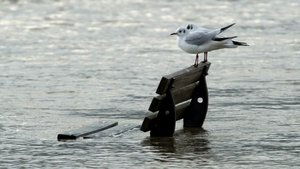
Are we going to disappear beneath the waves?
Let's be honest: when we think about rising sea levels, we initially think that the water rises the same way all over the world—like in a bathtub. And if we're talking about an annual rise of about 4 millimeters, it seems harmless at first. But it's not that simple. There is a global average, which we find, for example, in the reports of the Intergovernmental Panel on Climate Change. But these reports also state that if we continue as we have been—and by that we mean the amount of greenhouse gas emissions released into the atmosphere—we could expect a sea level rise of up to one meter by the end of the century. This is no small matter when you consider that many coastal cities are only a few centimeters above sea level, and some are even below.

Are We All Bisexual?
Most people can tell quite early on whether they are attracted to women or men. But what if our desire isn't as determined as we think? Are we all perhaps bisexual?
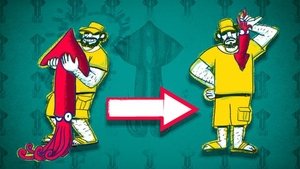
The Advent of Turbo-Evolution
The dominance of our species has consequences: we have created conditions that fuel rapid evolution. Global warming, climate change, hunting, habitat destruction, resource exploitation, and pollution are forcing nature to adapt to rapidly changing conditions. As a result, new variants emerge within populations or even entirely new species, adapting to new circumstances within a few generations. Can this rapid evolution help us find a solution to the loss of species?
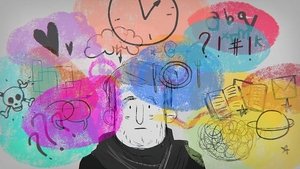
Why do we lose our memory?
We've all experienced it: a name that slips our mind or a new password. Forgetting is annoying and sometimes embarrassing. But how does the brain decide what we forget? There's a kind of competition among our memories. Stronger, more repeated impressions prevail over weaker ones. But are these erased memories lost forever? This question has been the subject of debate for decades. But in recent years, a new idea has emerged! It's possible that memories still exist. "If we stimulate the cells, the memories become available again. So, memory survives the forgetting process, but it only re-emerges under the right conditions. In a sense, this could mean that we lose the address of the memory, but not the memory itself," explains neuroscientist Tomás Ryan. Could we one day recover all our memories?
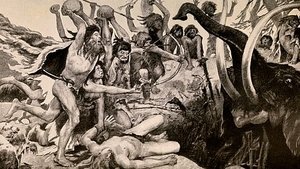
Humanity's True Nature
Humans lie, deceive, and wage merciless wars. Sometimes it seems as if evil is typically human. On the other hand, humans can also be good, love, and even make peace with enemies. Which side within us is stronger? The good or the evil?
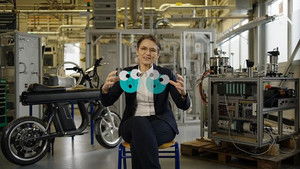
Can We Live Without Electricity?
Humanity is dependent on electricity. Power outages have been rare for us so far, but our electricity system is being transformed: renewable energies are intended to replace the fossil fuels that have reliably supplied us. Additionally, the risks of natural disasters and cyberattacks are increasing. At the same time, our electricity demand is growing tremendously.
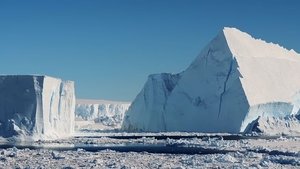
What Happens When the Glaciers Disappear?
Glaciers are wonders of nature and tourist attractions, and they are also the largest reservoirs of drinking water on the planet. In fact, 70% of the world's freshwater resources are frozen as snow or ice. These "water towers" have a major impact on our lives.
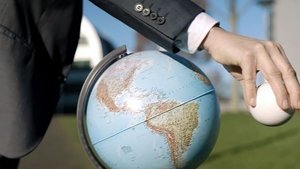
Could We Reach the Stars?
Since the dawn of time, mankind has aspired to one thing only: to go further and further beyond the limits of what he knows. But how far is it possible to travel in space? Could we reach the stars?

Is Lying Good For Us?
From a very early age, we are instilled with the idea that lying is wrong. Yet learning to lie is a normal and necessary stage in our psychological development. What if lying made the world a better place?
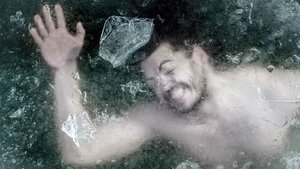
Will we one day be cryogenically frozen?
Some people dream of being cryogenically frozen. It's a way to defy death, to come back when things are better, or simply to know what the Earth will look like in a hundred years. But don't you have to be a little crazy to want to lock yourself in a freezer? Is it possible to stay frozen like that for decades and pick up your life right where you left off?
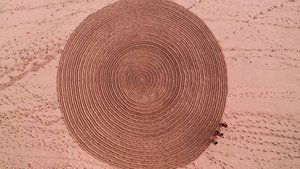
Will we run out of sand?
Whether in mobile phones, glass or even in our underwear, sand is everywhere in our lives. Without it, there would be no houses and no roads. According to the UN Environment Programme, each person consumes around 17 kilograms of it every day, and our rising consumption is causing problems: Ecosystems around the world are being destroyed by sand extraction. But could we ever run out of sand?

What's So Funny?
Adults laugh 20 times a day, children up to 500 times. But where does humour begin and end? And why does someone find something funny that makes no one else laugh? Humour is eminently subjective and depends very much on the context. So can we give a general and definitive answer to the question What is funny? Behavioural psychologist Peter McGraw tackles the question.
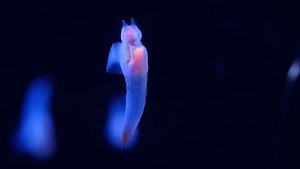
The Origin of Life
While scientists agree on the date (4 billion years ago), their opinions diverge on the place and conditions that saw the birth of life on our planet. Did the first cells emerge from a primordial soup rather than from primitive oceanic hydrothermal springs? Or could life on Earth have originated elsewhere? 42 attempts to explain it all.
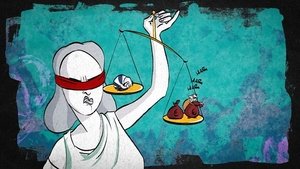
Does Punishment Work?
When we harm someone, we may be punished, the point of which is to be made aware of the harm we have done to others. So goes the theory. But researchers warn against the harmful effect of punishment, which they believe can lead to more crime. Could prison and fines have the opposite effect to the one intended?
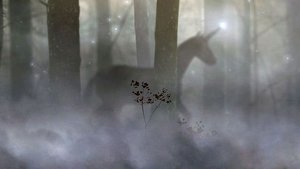
What Are Our Imaginations For?
We spend large stretches of our waking hours imagining things or just daydreaming. Why are we so often away in the clouds? What are our imaginations for?
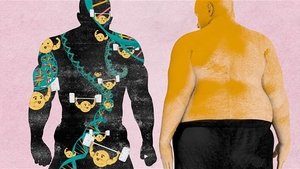
Can We Trick Our Genes?
Our genes determine many of our characteristics: our build, our height, the colour of our eyes or even our predisposition to music. Could it be possible to control the mechanisms that activate and inhibit our genes, as epigenetics seeks to do? Could this science make us more intelligent, more musically gifted or more athletic?
Amasia: The Supercontinent of the Future
The biggest movement in our lives is one that we don't even notice: The continents of the earth are on the move, albeit in slow motion. For several decades now, humans have been developing an understanding of where this continental drift could lead: We are all moving towards a supercontinent that unites almost all the planet’s land masses. But what would life be like on this supercontinent called Amasia?

Do Dogs Really Love Us?
Every dog owner knows this well: the relationship between humans and dogs is unique. A powerful and unbreakable bond, perhaps even love. No other animal is as close to its owner or adapts so well to human constraints. But what makes this relationship so special? Do dogs really love us? And if so, why?

Do We Need Corruption?
Corruption has been part of society since the dawn of time, swallowing up colossal sums of money which could be spent on improving everyone’s lives. Is it possible to get rid of it once and for all? And could corruption be useful for society as a whole?
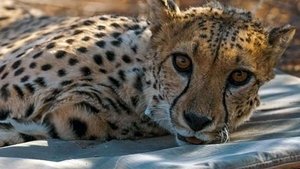
Are Animals Cleverer than Us?
Vultures can spot a dead antelope from five kilometres away, while seals can dive into deep water, even under the ice. It is also said that many animals have a mysterious sixth sense: they can predict imminent natural disasters. Do animals access knowledge that is beyond humans? Are they cleverer than us?

Are Billionaires a Problem?
The richest man in the world - Frenchman Bernard Arnault - is worth more than 200 billion euros. Around the world, the super rich are getting ever richer. Since money can buy power and influence. Are billionaires undermining democracy?

How strongly does our mother tongue shape us?
Words shape our thoughts. And it is most often in our mother tongue that we reflect, that we find the words to understand the world. How does our language of socialization change our perception of the world? Would we be a completely different person if we had a different mother tongue?
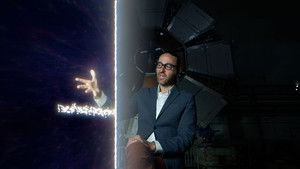
Do We Live in a Multiverse?
The idea that our universe isn't as unique as we think is not only captivating the imaginations of authors and filmmakers, but is also increasingly engaging researchers. The theories we use to explain the Big Bang also predict the formation of other parallel worlds. So, do we actually live in a multiverse?
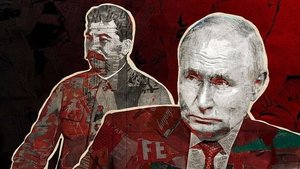
Does History Repeat Itself?
Wars, pandemics, economic crises...: so many episodes during which we look back and wonder if history isn't repeating itself. But what is the reality? Indeed, certain geographical or psychological patterns favor the occurrence of similar events. But the stories humans tell themselves also contribute to these similarities between events. Not to mention our tendency to sometimes believe that history repeats itself when the differences outweigh the similarities. Can we, however, learn anything from history?
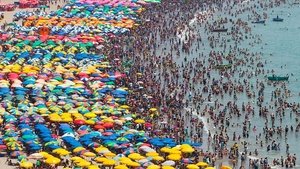
Are there too many of us on Earth?
In a century, the number of humans on Earth has more than quadrupled, rising from nearly 2 billion to over 8 billion. Some believe this is far too many and that we are heading for disaster. Yet, the Cassandras of the 1960s were already saying the same thing when we were not even 4 billion. How many people can the Earth support?

Is stress good for us?
The relationship between stress and humans is anything but a love affair. According to the WHO, 85% of us would prefer to do without this "disease of the 21st century." However, research tells us that it's not stress itself that makes us sick, but how we manage it. We might even need more stimulation, provided it's the right kind of stress! This kind of stress would then awaken our superpowers...
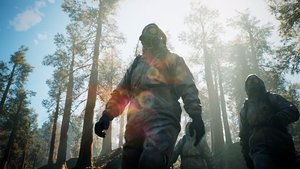
Do Disasters Make Us Better?
Humanity survived the last Ice Age as well as the plague that decimated half of Europe in the 1300s. But do disasters only bring death and suffering, or can they also have positive effects on our societies? Understanding the impact of disastrous historical events can reveal how adversity shapes human resilience, and perhaps even contributes to our evolution.
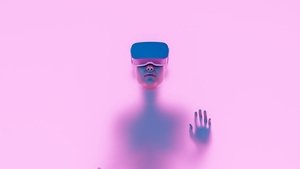
Is the Metaverse Real?
We still work in office buildings, buy our groceries at the supermarket and visit museums in the flesh. But soon, these activities could all shift to the metaverse – a virtual space envisioned by tech giants where avatars can live, work and move freely. This is how the metaverse could redefine our everyday lives and challenge our understanding of reality.

Do We All Have a Doppelganger?
Stories of unrelated people who look exactly alike are common. While having a doppelganger could pose risks like identity theft, it can also be thrilling. Some people would love to meet their mirror image, but what are the odds of this happening?
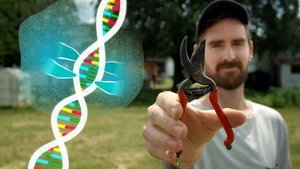
Could We Programme Evoluton?
Although our planet has already overcome numerous crises, Homo Sapiens have disrupted the natural world nature so much that scientists are now talking about a collapse in biodiversity. Could genome editing or synthetic biology save the planet's wildlife and ultimately save ourselves?
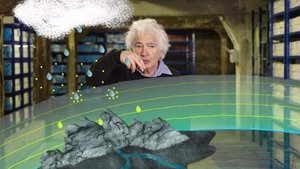
Is There an Upside to Climate Change?
Periods of climate change in the past have caused mass extinctions. But they have also led to the emergence of new complex life forms. Understanding these historic shifts in our Earth’s climate may offer insights into the ecological challenges and environmental imbalances we are currently facing.
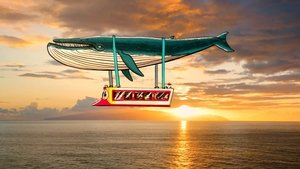
Do We Need More Utopias?
Depictions of the future in popular science fiction novels or films are often bleak, while positive utopias and tales of a new golden age are beginning to fade. Why is this shift taking place? Has our grim view of the world made us lose hope for a better future? And what does this say about our vision of what is to come?
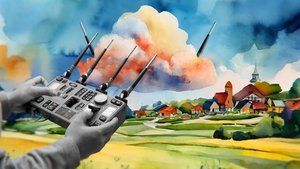
Can we control clouds?
Clouds carry water particles, which they release onto Earth as rain. However, the way they distribute water across the planet unfortunately leaves much to be desired: it often rains in areas that already have sufficient water reserves, while other regions remain dry. Could we change this?

Does Sugar Make Us Stupid?
Our view of sugar has changed drastically. Once seen as a healthy appetite suppressant in the 1960s, it's now linked to serious illnesses like obesity and diabetes. What is even more alarming is that it has the potential to affect our brains. Learn more about the latest research being done on this addictive substance and its true impact on our health and well-being.
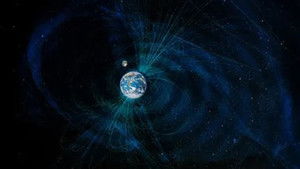
What if the poles reversed again?
In theory, it's simple: the North Pole is in the north, and the South Pole is in the south. And a compass needle always points north—or, more precisely, toward the magnetic North Pole, a point on Earth located not far from the geographic North Pole. But what would happen if things were to change? In fact, the magnetic North Pole is moving right now, and so rapidly that the Earth's magnetic field could well reverse: the magnetic North Pole would then find itself in the geographic south, and vice versa. This change won't happen overnight, of course, but if it does, won't humans and animals be completely disoriented?

What power do smells have?
Many people don't consider their sense of smell particularly important. However, if we had to give up one of our senses, surveys show that the majority choose their sense of smell. Twenty-five percent of the students surveyed would even rather lose their sense of smell than their smartphone. But we would lose more than we realize. Smells not only evoke memories, they also warn us of dangers and illnesses. They have power in our everyday lives. And we haven't yet fully explored this power – the potential of our sense of smell. It could also help us solve future challenges.
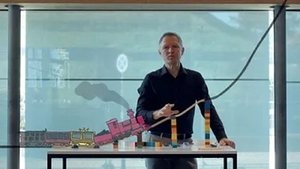
Can We Shrink the Economy?
It seems that economic growth is a prerequisite for collective prosperity. But what if this is just a myth or a dangerous illusion? In this episode of 42 we consider economic sobriety or degrowth and ask the question: what do we really risk if the economy shrinks?
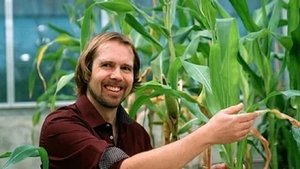
How Do Plants Live?
Do houseplants grow faster when we talk to them? Does a cactus get bored in a pot? Do plants have human senses that are comparable to ours and those of animals? For most plant researchers, one thing is clear: plants can perceive their environment and react to it, but not because of conscious behaviour. In this episode of 42 we explore plant life.
How to Become Popular
Like food, drink or sex, feeling valued is one of our most basic needs: we aspire to be loved, sometimes even adored. But why is that, and why doesn't it happen to everyone? Is it really a good thing to be popular?
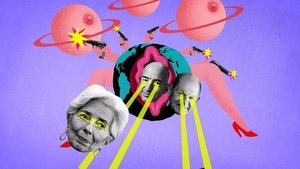
Do We Need to Have Power?
From the sandbox to the office, power dynamics shape our lives. Power can change our personalities and make us take reckless risks, give in to impulses and even erode our empathy – a transformation that can open the door to conflict or war. The experience of power has far-reaching consequences, both on a personal and on a global scale.
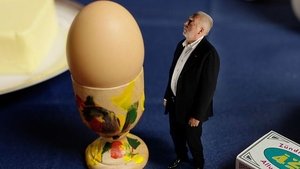
Should Humans Be Smaller?
Is being big and strong necessarily the key to success? Not really: it's the small creatures that seem to have more advantages. The most dangerous animal in the world is none other than the mosquito! So wouldn't it be better for the human race to be smaller as well?
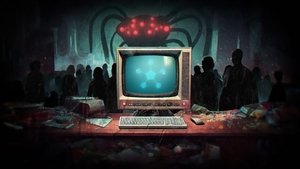
Is AI Out of Control?
The fantasy of artificial intelligence developing a life of its own and unleashing an army of robots on humanity has dominated pop culture for decades. Could it soon become reality? Could AI creations one day become independent, question our goals and only follow their own will?
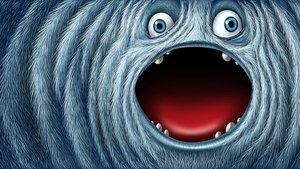
Are Invasive Species Always a Problem?
Raccoons, tiger mosquitoes, grey squirrels... these invasive species can destroy crops, transmit fatal diseases and cause environmental damage. And the problems are growing. But could some invasive species actually be beneficial to humans and the environment?

Would We Be Happier Without Happiness?
Happiness increases our satisfaction, our cognitive capacity and our motivation, but being happy is not so simple. And even if we work hard to make ourselves happy, there's no guarantee that our pursuit will be crowned with success. So would we be better off without happiness?

Why Do We Cry?
All terrestrial species are capable of crying, but human beings are unique in being the only species to cry from joy, sadness or anger. The Bible considers tears to be a gift from heaven. In medieval spirituality, they are an expression of moral integrity. But, whether its shedding tears in secret or weeping publicly: why is it that we cry?

Could Sea Currents Change?
The sharp decline in ocean circulation since the 1950s is probably related to human activity. Its complete cessation could trigger a new ice age within a few decades. 42 asks the question: just how dependent are we on currents?

Could Matriarchy Be the Solution?
Imagine a world where men were at home with the children, while women were heads of state and company directors, earning more than their male counterparts and running the show. Would matriarchy be a good thing for society?

Are Aliens Like Us?
For many scientists, the emergence of living organisms elsewhere in the universe is only a matter of time. But most envisage it in a unicellular form, like bacteria. Would our planet be an exception? Is human evolution the result of chance? Do living organisms necessarily evolve towards complexity?

Is Pain Necessary?
Pain has a bad reputation, and we go to great lengths to avoid it: from painkillers to general self-care. It has even been said that our society rejects not only physical pain, but social pain as well. Despite our quest for pleasure, 42 asks the question: is pain necessary?
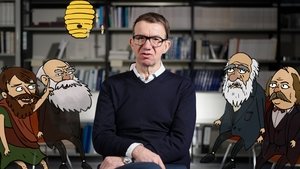
Do Animals Have Better Societies?
Societies built by humans, rarely seem to stand the test of time, whereas ants have been living in colonies since the dawn of time. Do animals build better societies? And should we draw inspiration from them?
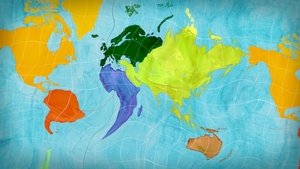
How Powerful are Maps?
Why do so many world maps place Europe at the centre? Why not Australia? And why is the north always at the top? 42 explores how maps may not be as neutral as you might think.
Does Quantum Physics Change Our Reality?
Our universe is made up of two worlds: the one we can see, and the microscopic world of quanta made up of the very smallest particles. In this world particles can be in two places at once and teleportation is possible…

Why Do We Have Less Sex?
There have never been more opportunities to meet new sexual partners in our liberated world of dating apps, sex parties and queer liberation. But how come we are having less sex today than in the past?
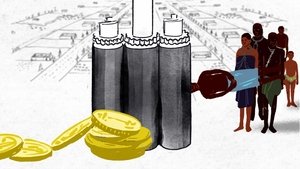
Has Slavery Made Us Racist?
What is the link between racism and slavery? How do racist theories to justify the transatlantic slave trade still linger in today’s world?
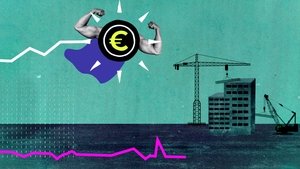
Why Is Housing So Expensive?
Everywhere is Europe, it seems, housing is becoming more expensive and more of a burden on households. Why is this? And what solutions are there?

Can We Make Friends with Our Enemies?
Long-running conflicts and wars in our world feed into the pessimistic idea that reconciliation is impossible. But can we make friends with our enemies and build lasting peace?
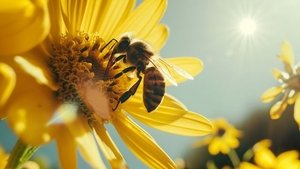
Can We Replace Pollination?
For millions of years, there has been an intimate pact between plants and their pollinators: with relationships so cleverly adapted that it almost seems like love. But with pollinating insects in danger, could we pollinate plants ourselves? And what do bubble guns have to do with it?
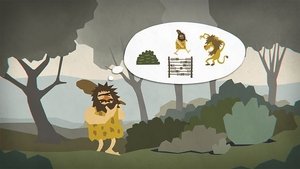
Are We Taking Enough Risks?
If we wanted to completely avoid risk, we would not be able to leave the house in the morning, and even then, we would still be at risk. There is hardly any part of life in which we are not confronted by risk. But are we taking enough? Or too much?
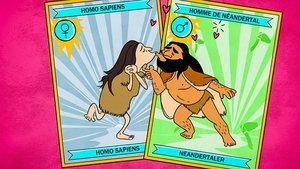
Who Really Were Our Ancestors?
Nations invent stories about their glorious pasts and links to ancient peoples on the land. But who really were our ancestors? And what can our DNA tell us about them and us?

Is a World Without Violence Possible?
Why is violence still so prevalent in our society, when the state is supposed to ensure everyone's safety? Is violence simply part of our nature? Or is it possible to live without violence?
Can We Remember Precisely?
Memory is our identity: our representation of the world, ourselves and others is based on what we remember. But is it possible to retain memories without distorting them? Because memory sometimes plays tricks on us: psychological experiments have shown that we sometimes remember things that actually never happened.
What Holds the Universe Together?
Beyond what human beings can see, exists something that makes up 80% of the universe. Scientists are convinced that dark matter assures the cohesion of our world. But how can you find a substance that gives off no light, reflects no light and has hardly any interaction with atoms?
Do We Need God?
Religious faith is in decline in Europe, and yet 70% of human beings in the world believe in the existence of one or many deities. Do human beings need God? Are we homo religious rather than homo sapiens?

What Protests Work?
All over the world, people are taking to the streets about injustice, freedom, and calling for more rights. But in this age of demonstrations, which protests work? And why?
How do Children Function?
You might think that children are small, unfinished people who don't yet understand the world. Perhaps this is where the potential for conflict between children and adults comes from. But could we have a lot to learn from children? And do they do some things better?
Will We Grieve Differently in Future?
With the increase in the world population in recent decades, there have never been as many people living, but also dying, as today: Around 160,000 people pass away every day. These high numbers are a logistical problem as large cities run out of cemetery space and the carbon footprint of burial and cremation rises. So how will we bury and remember our dead, and also grieve in the future?
Do We Need Weapons for Peace?
Every year, astronomical sums of money are spent worldwide on arms, when it would be a thousand times better to invest in eradicating hunger and poverty or funding the fight against climate change. In today's political climate, this view might seem naive. So is doing without weapons just wishful thinking? Do we need arms for peace?

What Should We Actually Eat?
Are eggs good for us? Are eggs bad for us? Official health advice sometimes to contradict itself. What food we consume is important for our health, so what should we actually eat?
Are We Ready for Aliens?
Although no proof of the existence of extraterrestrial life has yet been found, the discovery of habitable planets in the universe makes it increasingly likely. But if aliens do exist, how should we make contact with them? And what would be the consequences of this unprecedented event in human history? Are we ready to meet the aliens?
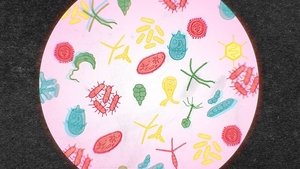
How Important is Our Microbiome?
The human body is home to some 30 billion microorganisms (bacteria, fungi, viruses, algae). The composition of this microbiome has a direct impact on us: the more diverse it is, the better our health. However, urbanisation, hygiene regulations and changing diets and lifestyles are leading to a loss of microbial biodiversity. So how can we bring back the microorganisms that have disappeared into modern life? And how important is it to us really?

Why Is Wealth So Unfairly Distributed?
While some people spend millions on holidays in space or splash out on extravagant weddings, others live in shanty towns and earn just a few dollars a day. Why do such inequalities exist in our world, despite a global economy that has produced the most wealth in human history?
What Makes Us Depressed?
20% of people will experience depression at some point in their lives. But what do we really know about this condition? Why do so many people get depressed?

Does the Perfect Code Exist?
People have always tried to find the perfect code to protect secrets. But even the very best codes only keep our information safe until they are decoded. Does the perfect code exist? Or will all codes be broken by supercomputers in the future?
Are We Ready for World Government?
Climate disasters, global inequalities, the threat of a third world war... Wouldn't it be reassuring if an international government set about solving all these problems? The United Nations was created with this in mind, but many think it is not fit for the challenges of the 21st century. So is humanity ready for world government?
Are We Wasting Period Blood?
Every month around 100 million litres of menstrual blood is thrown away or flushed down the toilet. But what if this very particular type of blood could be used for good?

Can We Feel Time?
Time is one of the great mysteries of our lives. It passes the same way for everyone and yet everyone experiences it differently. Sometimes the days fly by, at other moments, time seems to stand still. How do we perceive time? And could we live more intensely if we understood how our sense of time works?

How Does Water Create Life?
Without water there would be no life on Earth. But what is so special about it? Research has shown water is much more than the tasteless liquid we drink almost without thinking, but rather a mysterious and unique substance present everywhere in our world. But could it be the key to life in the universe?

Are Cyborgs the Future?
We humans think that we are the best creation on this earth. But with sickness, aging, brittle bones and weak muscles… are we actually badly designed? Would we benefit from bodily and cerebral upgrades? Will we all be cyborgs in the future?

Can We Save Truth?
It may seem that the idea of Truth is under siege. Donald Trump, for example, was elected despite countless false statements and lies and conspiracy theories are widely believed without the slightest bit of evidence to support them. Why is this? And can truth still be saved?

Can We Cure Addictions?
Once you become addicted to a substance you can live a life of abstinence, but you are never considered cured. Will this remain the case in the future, or can we use modern medicine to cure our addictions?

Are We Too Curious?
Curiosity is at the very root of humanity's development, but it is often vilified and mistrusted. Is curiosity a good thing? Or are we humans too curious for our own good?
What Did Dinosaurs Really Look Like?
No film has influenced our perception of dinosaurs more than Steven Spielberg’s Jurassic Park. But more than three decades have passed since the classic film was released and palaeontologists have made further discoveries. Could dinosaurs have looked less reptilian, and perhaps have had feathers?

Can We Outwit Viruses?
Viruses are geniuses of evolution. They can constantly mutate, penetrate cells, mingle with our genome an, worst of all, make us ill. But can we outwit viruses and stop them from messing with our bodies? Could we immunise ourselves against viruses completely?
Where Does Madness Begin?
How can we define what is normal and what is mad? Although every human being functions differently, madness is associated with behaviour that deviates from the norm. But where exactly does ‘normal’ end and ‘madness’ begin?

Should We Be Bored More Often?
Boredom has a bad reputation. All the more so as ennui is often accompanied by a feeling of emptiness and frustration. Ready to do anything to escape it, some seek an outlet in alcohol, drugs, or even violence. Wouldn't everything be better if we never got bored?

How Powerful is Disinformation?
In the AI era, highly convincing fake videos and pictures can be produced that can easily deceive. What impact does targeted disinformation have on society and democracy? And how can we distinguish between what’s true and what’s false?
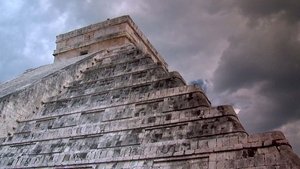
Why Do Civilisations Fall?
Was the fall of the Roman Empire due to its decadent morals? Did the people of Easter Island exhaust its natural resources? And is it possible to identify patterns in the collapse of civilisations? These questions could help us understand the civilisations of the past as well as the expected lifespan of our present-day society.

Should We Argue More?
Fiery debates online, explosions of anger on the streets, tense conversations with our loved-ones: Arguing can be exhausting and deeply unpleasant, and it seems like we are always at loggerheads in our polarised digital world. Can we disagree in a better way? And should we in fact argue more?
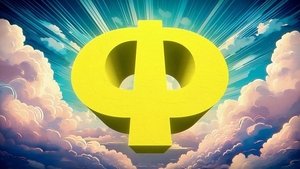
How Mathematic is the Universe?
Plant growth is determined by the golden ratio symbolised by the Greek letter Phi, pine cones grow in a logarithmic spiral and flower petals are often arranged in the Fibonacci sequence. Is mathematics a human invention or does it represent the fundamental structures of our universe?

Is The World Better Than We Think?
News and social media can often give us the idea that the world is a terrible place and its only getting worse. But what if, behind the headlines and the shrill discourse on social media, things were actually improving on our planet?
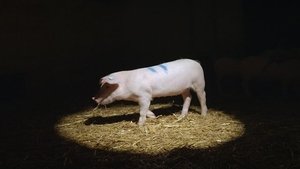
How Smart Are the Animals We Eat
Animals raised for human consumption such as chickens, pigs, goats or cows, are rarely acknowledged as being intelligent beings. But if they are as intelligent as chimpanzees or ravens, what does that mean for how we treat farm animals?

Does Failure Help Us Succeed?
Setbacks and bad decision often leave a bitter taste in the mouth, but they can help you bounce back. Research shows that scientific and technical advances are often the result of trial and error and in psychology, it is accepted that failure makes us more resilient. So should we embrace failure more often to succeed in life?

Was Stone-Age Man Dumber Than Us?
We sometimes think of our ancestors in the stone age as primitive beings, unable to cope with complex tasks or the demands of our highly complex modern society. But were our ancestors from tens of thousands of years ago really less intelligent than us?

The Age of Fire
Humans are the only species that can produce fire. For a long time, we lived intimately with fire, which helped our development. But today fire seems like a destroyer, with ever more intense wildfires threatening our cities, driven by climate change. How can we live better with the flames?

Why Does Music Move Us?
Music has immense power: it can lift or lower our mood and make us forget the world. But why is music so important to human beings? And how does it move us so profoundly?
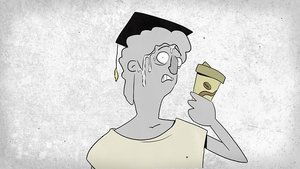
Optimisation: Is It Making Us Mad?
On social media everyone seems to be optimising themselves into healthy, perfect humans. But is our search for perfection making us crazy? And is our obsession with personal development leading us astray?
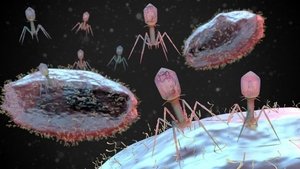
Is a Superbug Pandemic Coming?
Our use and overuse of antibiotics means that bacteria – those little masters of evolution – are becoming increasingly capable of defending themselves against them. Superbugs, which are resistant to at least three types of drugs, are now becoming an increasingly dangerous phenomenon. More than 1.3 million people die each year from infections with antibiotic-resistant bacteria. Are we facing another pandemic?
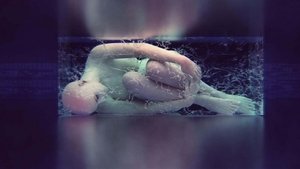
Can Humans Hibernate?
Hibernation in humans – so far, it's pure science fiction. However, some researchers suspect that humans might possess the genetic predisposition for hibernation. An artificially induced state of dormancy would save enormous resources and would also be of great interest for space travel. But could this be implemented in practice?

Does Society Need Alcohol?
Success, failure, birthdays, funerals… any occasion can be an excuse to drink. However, the line between pleasure and addiction is very thin. Alcohol is one of the most toxic substances, yet it facilitates social interaction. Is it so deeply ingrained in our societies that it's impossible to stop using it?

...We Make Free Decisions?
In a democratic society, decisions are taken on the basis of free will. But is this really always the case? Since we know that the brain sometimes goes into 'autopilot' mode, freedom of choice may just be an illusion. What if our choices were dictated more by physical or neurological factors?
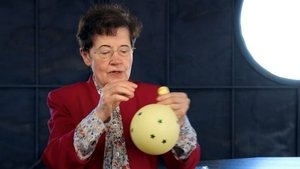
What was there before the Big Bang?
The planets, the galaxies, the universe: Has it always been there – or was there a beginning? The Big Bang, from which all the wonderful phenomena we can observe and study today originated? But if this unique moment truly existed, what exactly brought it about?

How Powerful Are Images?
Would Donald Trump have won the US election if not for the now-iconic photo of him with a bloody ear? Would the US have invaded Iraq if not for the fake photos of Colin Powell? Or would the Vietnam War have lasted longer if not for the infamous photo of the burned girl? Images have immense power in politics, but what are the reasons for this? And, how can we protect ourselves from their influence?
How Does the Female Orgasm Work?
For centuries, female sexuality was neglected and considered uninteresting by men. The apogee came in the 19th century, when doctors and pioneering psychiatrists concocted the wildest theories surrounding female pleasure. It's high time to answer the question: what do women truly desire in bed, and what brings them the greatest pleasure?
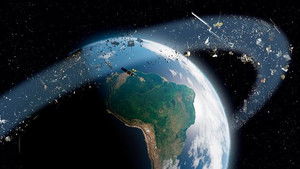
Is Space Debris Dangerous for Earth?
Everything that goes up must come down. But what about space debris? Will rockets and unused satellites eventually come crashing down to Earth? And is this a danger to humans and other life on Earth?

Can Our Brains Still Concentrate?
In a world full of push notifications, quickfire TikTok videos and constant distraction, deep concentration seems to be lost. But how bad is the situation really? Are our concentration skills suffering? Or has our attention perhaps even improved - and adapted to our modern, high input social media world?

Why Do We Love Horror?
Why do we like to be terrified by scary movies? When watching horror, people experience an intense rollercoaster of emotions and initial studies suggest that viewing horror film can develop better stress resistance…
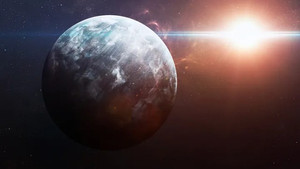
Does Planet Nine Really Exist?
In 2006, the International Astronomical Union voted to demote Pluto to a "dwarf planet," reducing the official number of planets in the solar system to eight. According to Mike Brown, the astronomer behind Pluto's declassification, there is, however, a wealth of evidence suggesting the existence of a ninth planet.

Are We An Evolutionary Superspecies?
From the deserts of Australia to the steppes of Siberia, no other mammal has colonised more habitats than humans. More than eight billion people affect all life on earth to such an extent that some scientists speak of the Anthropocene - the age of man, in which humans have become the most important influencing factor on the planet. But why are we so successful?
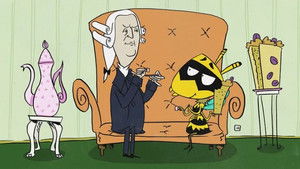
Are Wasps Game Changers of Evolution?
Wasps are much more than just an inconvenience for al fresco diners. As one of the very first social species on our planet, they could help solve an evolutionary puzzle: Does altruism really exist?

Why do we sing?
Songs are considered part of humanity's cultural heritage, and all over the world, their social functions are similar: to celebrate, to mourn a loved one, or to express love. But why use song for all of this? Does language have certain limitations? What is it about singing or hearing others sing that fascinates us so much?

How monogamous are humans?
Monogamy – a lifelong promise of love or an outdated ideal? Despite high divorce rates and the increasing acceptance of alternative relationship models, monogamy remains an emotional anchor for many people. However, since many of the cultural constraints have disappeared, monogamy is a relationship model in flux.
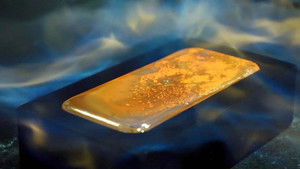
Why Do We Love Gold?
The term "gold rush" speaks volumes about our special relationship with the shiny precious metal. For thousands of years, gold has influenced people’s lives and the history of the world. But why are we so obsessed with gold?

Do Emotions Control the Markets?
The stock market is the temple of rationality, figures, data and models. But what happens when emotions drive prices? When panic takes over from analysis and heady euphoria pushes share prices through the roof? Is the world of finance actually ruled by human emotion?
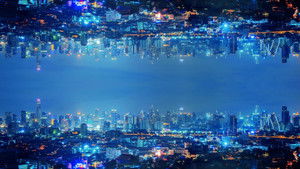
What if life were mirrored?
Imagine for a moment that everything was reversed. It may sound mind-boggling, but it is not entirely absurd. Many of the molecules that make up life on Earth have a symmetrical counterpart—a mirror-image twin known as an enantiomer. These mirror molecules represent a promising avenue for the discovery of new and potentially more effective medicines. But what if we could go even further? What if it were possible not only to mirror individual vital molecules, but entire living organisms—bacteria, for example? What would happen if we managed to reverse life itself? And what would our world look like then?
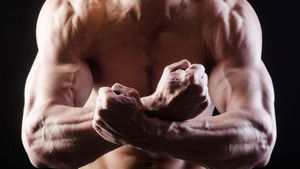
Do we need the alpha male?
Dominant, strong, a “real man.” Women want him, men want to be like him. This is the image of the “alpha male” portrayed by many masculinity influencers—some of them with millions of followers. Where does this idea of the alpha come from? Is he truly the superior man, as nature intended? Or is it all nonsense?
Similar TV Shows


Watch 42: The Answer to Almost Everything (2021) Full Series Online Free - Cuevana 3
Enjoy 42: The Answer to Almost Everything (2021) complete on Cuevana 3, the best platform to watch TV series online free in HD. On Cuevana3 you can watch all seasons of 42: The Answer to Almost Everything with subtitles.
42: The Answer to Almost Everything has 1 seasons available on Cuevana 3. All episodes in the best quality: HD 1080p, Full HD and 4K. Our player is fast and smooth.
On Cuevana 3 we update new episodes of 42: The Answer to Almost Everything as soon as they're available. Follow your favorite series without missing any episode. Cuevana3 series offers you the best online series catalog.
Watching free series on Cuevana 3 is easy and safe. Compatible with phone, tablet, smart TV and computer. No downloads, no registration, just quality entertainment.
